


Understanding the Panchatantra: Exploring Its Meaning and the Five Tantras
October 23, 2025
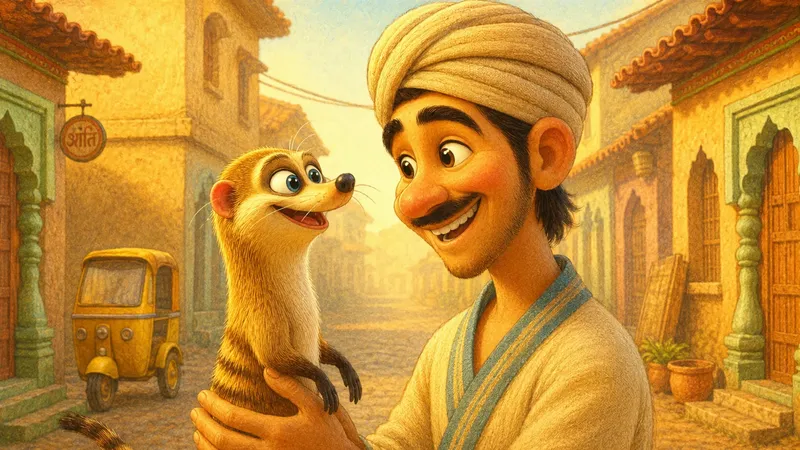
The Panchatantra is one of the most celebrated collections of ancient Indian fables, cherished for its profound wisdom and moral teachings. Composed over 2,000 years ago by the sage Pandit Vishnu Sharma, these stories were crafted to teach young princes the principles of statecraft and wise living. The term "Panchatantra" itself is rooted in Sanskrit, combining "pancha," meaning five, and "tantra," meaning principles or strategies. True to its name, the Panchatantra is divided into five books, each focusing on a distinct aspect of human behavior and decision-making.
The Five Tantras of Panchatantra
The Panchatantra is divided into five sections, each focusing on a crucial life lesson:

Mitra Bhedha (The Separation of Friends)
This section teaches about the consequences of actions and decisions. For instance, in "The Monkey and the Wedge," a monkey's curiosity leads to a trapped tail, symbolizing how unthoughtful actions can lead to harmful outcomes.

Mitra Samprapti (The Gaining of Friends)
Highlighting the importance of friendship and unity, "The Crow, the Doves, and the Mouse" tells the story of a crow who befriends a mouse, and together, they embark on a mission to rescue trapped doves.

Kakolukiyam (Of Crows and Owls)
Emphasizing the perils of misplaced trust, "The Cunning Mediator" narrates the tale of a bird seeking justice from a wise cat, only to become prey, teaching the importance of choosing mediators wisely.

Labdhapranasam (Loss of Gains)
This segment teaches about the value of true friendship and the dangers of deceit, as shown in "The Monkey and the Crocodile," where a monkey outwits a treacherous crocodile, underlining the importance of wit in the face of betrayal.

Apariksitakarakam (Ill-Considered Actions)
Illustrating the consequences of hasty judgments, "The Mongoose and the Brahmin" is a poignant story where a Brahmin kills his loyal mongoose in a rash decision, emphasizing the importance of understanding a situation before acting.
The Global Impact and Wisdom of the Panchatantra
The Panchatantra, a classic of Indian literature, is renowned for its far-reaching impact that goes beyond its Indian origins.
Pandit Vishnu Sharma and the Panchatantra
Attributed to the wisdom of Pandit Vishnu Sharma, the Panchatantra was originally crafted with the intent to educate three young princes.
References:
"Tales of Panchatantra: Wisdom of the Ages." Tales of Panchatantra, https://www.talesofpanchatantra.com/. "Background of Panchatantra."Tales of Panchatantra, https://www.talesofpanchatantra.com/background-and-summary.
Related Posts

20 Popular Fables and Their Moral Lessons
Looking for famous short stories with valuable life lessons? Reading timeless tales is a wonderful way to learn about moral values, practice reading comprehension, and discover rich cultural traditions from different parts of the world.
Read More
5 Best Fables About Kindness for Kids
Have you ever noticed how a tiny act of help can change someone's entire day? Finding the right fables about kindness for kids is a wonderful way to show little ones that being helpful is a true superpower.
Read More
How to Teach Children Moral Values Using Classic Fables
Children learn best through stories. A single, well-told tale with a clear lesson can stay with a child for life, shaping how they treat others, handle challenges, and make decisions. That is why teaching moral values through classic fables still works just as powerfully today as it did thousands of years ago.
Read More