


How to Teach Children Moral Values Using Classic Fables
June 25, 2026
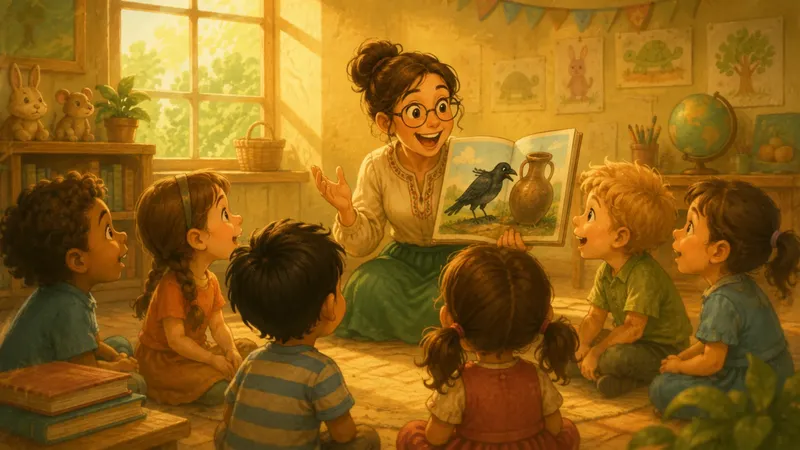
Children learn best through stories. A single, well-told tale with a clear lesson can stay with a child for life, shaping how they treat others, handle challenges, and make decisions. That is why teaching moral values through classic fables still works just as powerfully today as it did thousands of years ago.
From ancient Greece to modern classrooms, fables have helped parents and teachers pass on important values in a way that feels natural, not like a lecture. They are short enough to hold a child's attention, simple enough to understand, and memorable enough to stick.
Why Fables Are One of the Best Tools for Teaching Children Moral Values
Unlike direct instruction, fables invite children to discover the lesson themselves. The story does the heavy lifting. By the time the moral is revealed, children have already felt it through the characters and events on the page.
Aesop, the ancient Greek storyteller behind hundreds of classic fables, understood something about human nature that has never changed. His stories still work today because they speak to experiences every child faces: wanting more than they have, being tempted to lie, needing to be patient, and learning that working together is stronger than going it alone.
5 Classic Fables That Teach Children Strong Moral Values
The following fables are ideal for reading aloud, classroom discussions, or bedtime story time. Each one teaches a lesson that children can carry into their everyday lives.
1. The Crow and the Pitcher: Patience and Problem-Solving
A thirsty crow finds a tall pitcher with water sitting too low to reach. Rather than giving up, the crow drops pebble after pebble into the pitcher until the water slowly rises and becomes reachable.
Moral: Patience and clever thinking can solve problems that seem impossible at first.
2. The Dog and Its Reflection: The Cost of Greed
A dog trots across a bridge with a piece of meat in its mouth. It looks down into the water and sees its own reflection. Mistaking the image for another dog with a bigger piece of meat, it snaps at the reflection and loses the meat it already had.
Moral: Greed can cost you what you already have.
3. The Fox and the Woodcutter: Honesty in Actions, Not Just Words
A fox being chased by hunters begs a woodcutter for help. The woodcutter agrees to hide the fox, but when the hunters arrive, he gestures toward the fox's hiding spot with his eyes while claiming not to have seen it. The fox escapes and calls out the woodcutter's two-faced behavior before disappearing.
Moral: True honesty means that your actions and your words must match. Saying one thing while doing another is still a form of deception.
4. The Boy Who Cried Wolf: Why Trust Matters
A bored shepherd boy amuses himself by shouting "Wolf!" to draw the villagers running. When they arrive and find nothing, he laughs. He does it again. Then a real wolf comes, and when the boy calls for help, no one believes him. The flock is lost.
Moral: Lying may seem harmless at first, but it destroys trust when it matters most.
5. The Bundle of Sticks: Strength Through Unity
A father watches his sons fight and bicker. He hands each son a single stick and asks them to break it; they do so easily. Then he bundles the sticks together and asks them to try again. None of them can break the bundle.
Moral: There is strength in unity. A family, a team, or a community is far stronger when its members work together than when they act alone.
How to Use Fables Effectively with Children
Reading a fable is only the first step. The real learning happens in the conversation that follows. Here are a few simple approaches that make fables more effective as teaching tools:
Ask before you tell. After finishing a fable, ask your child what they think the lesson is before offering your own interpretation. This encourages critical thinking and gives them ownership of the moral.
Connect the story to real life. Ask: "Has anything like this ever happened to you? What would you have done if you were the crow?" Connecting the fable to lived experience makes the lesson stick.
Revisit fables over time. A five-year-old and a ten-year-old will take different things from the same fable. Reading the same story again at a later age can reveal new layers of meaning.
Use fables for conflict resolution. When a child faces a situation involving dishonesty, greed, or unkindness, returning to a relevant fable can be a gentle and effective way to reframe the conversation.
Start Building Your Child's Moral Foundation Today
These five fables are a strong starting point, but they are only the beginning. There are hundreds of classic fables from cultures all around the world, each one carrying a lesson worth sharing.
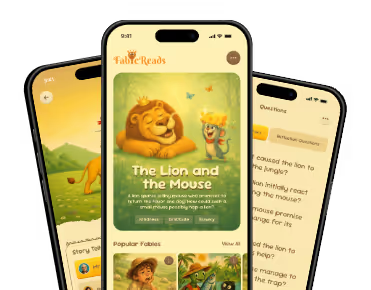
Visit FableReads.com to explore a growing library of free fables carefully selected for children of all ages. Whether you are a parent looking for bedtime reading or a teacher building a values-based curriculum, you will find stories your child will love and lessons they will carry for life.
Related Posts

20 Popular Fables and Their Moral Lessons
Looking for famous short stories with valuable life lessons? Reading timeless tales is a wonderful way to learn about moral values, practice reading comprehension, and discover rich cultural traditions from different parts of the world.
Read More
5 Best Fables About Kindness for Kids
Have you ever noticed how a tiny act of help can change someone's entire day? Finding the right fables about kindness for kids is a wonderful way to show little ones that being helpful is a true superpower.
Read More
Reading Fables in Two Languages: How Bilingual Stories Help Children Learn
Reading fables in two languages is one of the easiest and most natural ways to support bilingual learning at home. Children hear familiar words alongside new vocabulary, helping them connect meanings without pressure or formal lessons.
Read More