


Fables as Teaching Tools: How Educators Can Use Fables in the Classroom
October 23, 2025

Educators continually seek creative and effective strategies to engage students and enrich their learning experiences. Fables, with their engaging narratives and embedded moral lessons, stand out as particularly effective tools for this purpose. This blog post explores the utility of fables in educational settings, offering educators insightful tips on incorporating these stories into their lessons to maximize student learning and development.
Why is a Fable a Good Way to Teach a Lesson?
Fables, defined by their concise storytelling and often animal-based characters, excel in imparting moral lessons due to their simplicity and relatable narratives. Stories such as "The Tortoise and the Hare" captivate and teach valuable lessons like perseverance and humility. These stories facilitate a fun, engaging way to introduce and discuss complex concepts, encouraging students to reflect, discuss, and draw parallels to their own lives.
Tips for Using Fables in the Classroom
To effectively use fables as teaching tools, educators can employ various strategies:
- Interactive Storytelling: Read fables aloud and encourage students to participate. Ask them to predict outcomes, discuss character choices, and relate the stories to their own experiences.
- Role-Playing Activities: Have students act out fables. This helps them engage with the story on a deeper level and understand the characters' motivations and the consequences of their actions.
- Discussion and Reflection: After reading a fable, facilitate a class discussion on its moral. Encourage students to share their interpretations and relate the lesson to real-life scenarios.
- Creative Projects: Assign projects like drawing scenes from the fable, writing an alternative ending, or composing a modern version of the story. This fosters creativity and deeper understanding of the fable's message.
- Comparative Analysis: Introduce fables from different cultures. This could enrich the curriculum and also promote cultural understanding and diversity.
Fables Across Cultures
Fables serve as a rich resource for educators worldwide, offering diverse cultural perspectives and moral teachings. By integrating fables from different cultural backgrounds into the curriculum, educators can offer students a more inclusive, diverse understanding of values and ethics, thus enriching the educational experience. For further insights into how fables are utilized globally and across cultures, check the article Fables Across Cultures: A Global Teaching Resource.
Fables as Effective Teaching Tools in the Classroom
Fables are highly effective for teaching morals and life lessons to children. With their straightforward and engaging stories, these short tales highlight the importance of moral education, showing the results of different actions in a way that's simple for young minds to understand. Fables are fun to read and play an important role in teaching values and ethics. Through the stories of their characters, fables introduce honesty, kindness, perseverance, and other virtues in a direct yet impactful manner.
Furthermore, fables give educators a powerful way to teach complex social concepts and moral challenges, offering children guidance on how to handle various situations in life. This method aids in building essential virtues and key life lessons, promoting good character and ethical reasoning. Beyond teaching morals, using fables in classroom activities boosts critical thinking, creativity, and awareness of different cultures among students, making learning a more comprehensive and enjoyable journey. By integrating fables into their teaching methods, educators can provide students with meaningful learning experiences that have a lasting effect, extending well beyond the classroom.
Related Posts

20 Popular Fables and Their Moral Lessons
Looking for famous short stories with valuable life lessons? Reading timeless tales is a wonderful way to learn about moral values, practice reading comprehension, and discover rich cultural traditions from different parts of the world.
Read More
5 Best Fables About Kindness for Kids
Have you ever noticed how a tiny act of help can change someone's entire day? Finding the right fables about kindness for kids is a wonderful way to show little ones that being helpful is a true superpower.
Read More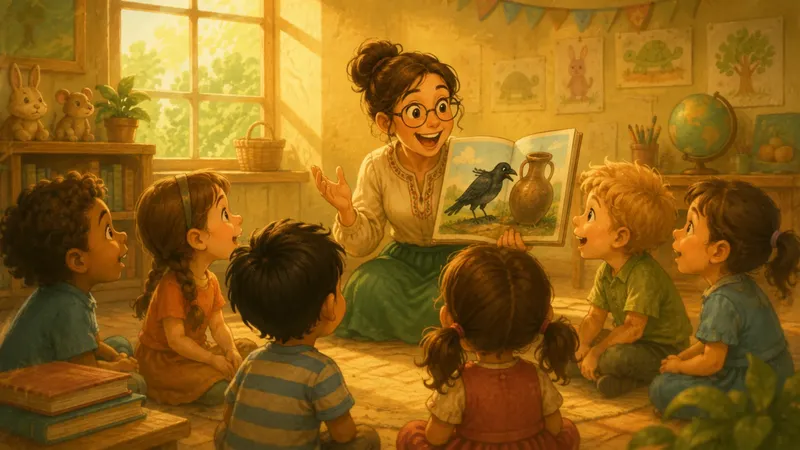
How to Teach Children Moral Values Using Classic Fables
Children learn best through stories. A single, well-told tale with a clear lesson can stay with a child for life, shaping how they treat others, handle challenges, and make decisions. That is why teaching moral values through classic fables still works just as powerfully today as it did thousands of years ago.
Read More