


Reading Fables in Two Languages: How Bilingual Stories Help Children Learn
May 25, 2026
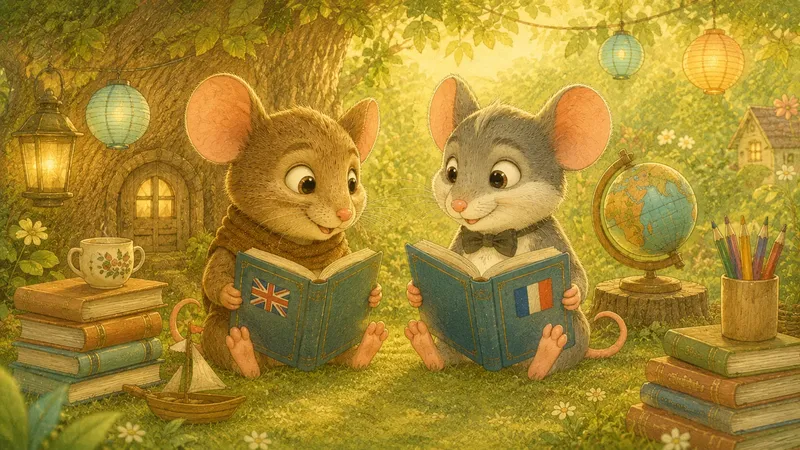
Reading fables in two languages is one of the easiest and most natural ways to support bilingual learning at home. Children hear familiar words alongside new vocabulary, helping them connect meanings without pressure or formal lessons.
Short fables work especially well for bilingual reading because they are simple, memorable, and filled with clear moral lessons. Even when the language changes, children can still follow the story and understand its message.
Whether your child is learning English, maintaining a home language, or exploring a second language for the first time, bilingual stories can make reading both educational and enjoyable.
Why Bilingual Stories Help Children Learn Faster
Children learn best through repetition, familiarity, and emotional connection. Hearing the same story in two languages provides all three.
When children already know the plot, they can focus more easily on new words and sentence patterns. They begin connecting vocabulary naturally across both languages without feeling like they are studying.
For example, a child who already understands the story of a clever fox or a hardworking ant can quickly recognize matching ideas in another language. This repeated exposure strengthens comprehension and vocabulary retention over time.
Bilingual reading also helps children:
- Build stronger vocabulary in both languages
- Improve listening and pronunciation skills
- Develop better memory and comprehension
- Gain confidence when speaking a second language
- Learn about different cultures and traditions
- Strengthen family connections through shared language
Research also suggests that bilingual children often develop stronger cognitive flexibility and problem-solving skills because their brains regularly switch between language systems.
Why Fables Are the Best Stories for Bilingual Reading
Not every story works equally well for bilingual reading. Fables are especially effective because they are short, easy to follow, and centered around clear lessons.
- Short and self-contained: Most fables can be read in just a few minutes, making it easy to read the story in two languages without losing a child’s attention.
- Simple, memorable characters: Familiar characters like clever foxes, patient tortoises, and hardworking ants are easy for children to recognize across languages.
- Universal moral lessons: Themes like honesty, patience, kindness, and greed are easy to understand in any language or culture.
- Stories from around the world: Fables come from many cultures, including Aesop’s Greece, India’s Panchatantra, West African Anansi tales, and Chinese folklore, helping children explore global storytelling traditions.
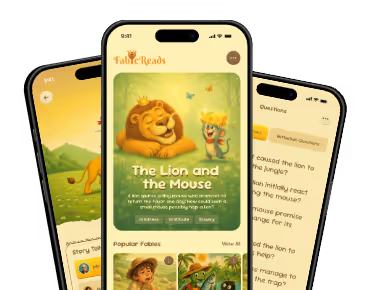
You can explore fables from around the world in multiple languages at FableReads, where stories are available in over ten languages with free audio included.
Best Fables for Reading in Two Languages
Some fables work especially well for bilingual reading because their plots are easy to follow and their lessons are clear.

The Frog in the Well
A frog who has spent his whole life inside a small well believes it is the entire world. When he meets a sea turtle from the ocean, he realizes how limited his view has been. This story introduces children to themes of curiosity, open-mindedness, and learning beyond what feels familiar.

The Goose that Laid the Golden Eggs
A farmer receives one golden egg each day from his magical goose. Wanting more riches immediately, he makes a greedy decision that costs him everything. Children easily understand this story’s lesson about patience and greed, even in another language.

The Dog and The Wolf
A hungry wolf envies the comfortable life of a well-fed dog until he notices the dog’s collar and realizes freedom comes with a price. This simple story encourages conversations about independence, choices, and values.

The Milkmaid and Her Pail
A young milkmaid dreams about all the things she will buy after selling her milk. While imagining her future riches, she accidentally spills the milk and loses everything. Its simple sequence makes it especially useful for vocabulary building and retelling practice.

The Elephant and The Dog
An elephant and a dog become unlikely friends despite their differences in size and strength. Their friendship shows that kindness and loyalty matter more than appearances. Stories about friendship are often easier for younger children to connect with emotionally in both languages.
How to Start a Bilingual Reading Habit at Home
You do not need expensive books, language programs, or perfect fluency to begin. A simple routine can make a big difference.
- Pick one short fable with a simple plot.
- Read it first in your child’s strongest language using expressive voices and pauses.
- Read it again in the second language. If needed, use an audio version so your child can hear natural pronunciation and rhythm.
- Play a simple “word match” game by asking which words sound familiar in both languages.
- Talk about the moral together in whichever language feels most comfortable.
- Repeat favorite stories often to strengthen vocabulary and sentence patterns naturally.
Even ten minutes of bilingual reading a day can help children build confidence in both languages over time.
The Long-Term Benefits of Bilingual Reading
Bilingual reading is not only about learning vocabulary. It also helps children develop empathy, curiosity, and confidence.
Children who grow up hearing stories in multiple languages often become more comfortable communicating with different people and exploring different cultures. They learn that there are many ways to express ideas, emotions, and experiences.
Reading fables in two languages also creates valuable bonding moments between parents, grandparents, and children, especially in multilingual families.
Most importantly, bilingual stories help children see language learning as something joyful rather than stressful.
Start Reading Today
At FableReads, the mission is simple: make the world’s fables free for every child, with no ads, no paywalls, and no barriers. Every fable includes free audio in multiple languages so families can begin bilingual reading right away.
If these stories have brought learning or joy to your home, consider supporting the mission. Every contribution helps more children, in more languages, discover stories that matter.
Visit FableReads.com and start reading for free.
Related Posts

20 Popular Fables and Their Moral Lessons
Looking for famous short stories with valuable life lessons? Reading timeless tales is a wonderful way to learn about moral values, practice reading comprehension, and discover rich cultural traditions from different parts of the world.
Read More
5 Best Fables About Kindness for Kids
Have you ever noticed how a tiny act of help can change someone's entire day? Finding the right fables about kindness for kids is a wonderful way to show little ones that being helpful is a true superpower.
Read More
How to Teach Children Moral Values Using Classic Fables
Children learn best through stories. A single, well-told tale with a clear lesson can stay with a child for life, shaping how they treat others, handle challenges, and make decisions. That is why teaching moral values through classic fables still works just as powerfully today as it did thousands of years ago.
Read More