


Fable vs. Fairy Tale: What's the Difference?
October 23, 2025
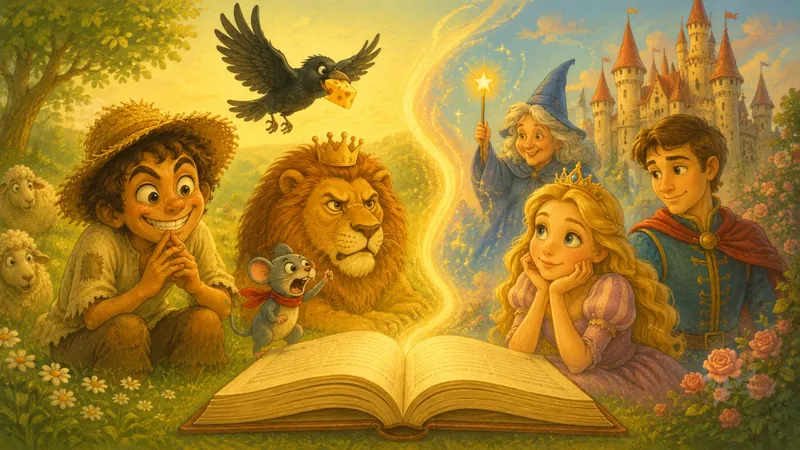
Have you ever wondered if the bedtime stories for kids you read each night are fables or fairy tales? Understanding the difference between these two kinds of stories can help parents and teachers choose the best tales for teaching values through stories. Let’s explore what sets these classic stories with lessons apart.
What is a Fable?
Fables are short stories that teach a lesson or moral. They often use animals or objects that talk and act like people. These characters show human values like honesty, kindness, or greed. Fables are usually very simple and clear, and the moral is often stated at the end.
Famous fables include Aesop's stories like The Tortoise and the Hare or The Lion and the Mouse. Each teaches a value in a fun way.
Learn more in our post: What Makes a Story a Fable? Definitions, Tropes & Tests.
What is a Fairy Tale?
Fairy tales are magical stories with characters like fairies, witches, princes, and talking animals. These stories are longer than fables and often include a journey or adventure. They may have happy endings, but not always.
Fairy tales do not always have a clear moral, but they still teach lessons. For example, Cinderella shows the value of kindness and patience. Little Red Riding Hood teaches children to be careful.
Key Differences Between Fables and Fairy Tales
Length and Style: Fables are short and simple. Fairy tales are longer with more details.
Characters: Fables use animals or objects acting like humans. Fairy tales feature magical characters like princesses, dragons, and fairies.
Purpose: Fables clearly teach a moral. Fairy tales combine lessons with fantasy and adventure.
Tone: Fables are straightforward. Fairy tales are imaginative.
What We Offer at FableReads
At FableReads, our main focus is on fables. We also adapt a few selected fable-like tales that are not traditional fables but still carry clear lessons. These stories are great for bedtime reading and for teaching values to children. Examples include the English fairy tale The Three Little Pigs, the Grimm Brothers’ The Wolf and the Seven Little Kids, and Hans Christian Andersen's The Ugly Duckling. However, we do not feature classic tales like Cinderella or Little Red Riding Hood.
Whether you’re looking for short moral stories or adaptations with meaningful lessons, we have options that support teaching values through storytelling. Our collection of free stories online includes multilingual stories for children, too.
Explore More on FableReads
Fables are great educational resources for parents and teachers. Browse our free fables for kids and our selection of adapted fable-like tales today.
Visit FableReads.com to find your next favorite story!
Related Posts

20 Popular Fables and Their Moral Lessons
Looking for famous short stories with valuable life lessons? Reading timeless tales is a wonderful way to learn about moral values, practice reading comprehension, and discover rich cultural traditions from different parts of the world.
Read More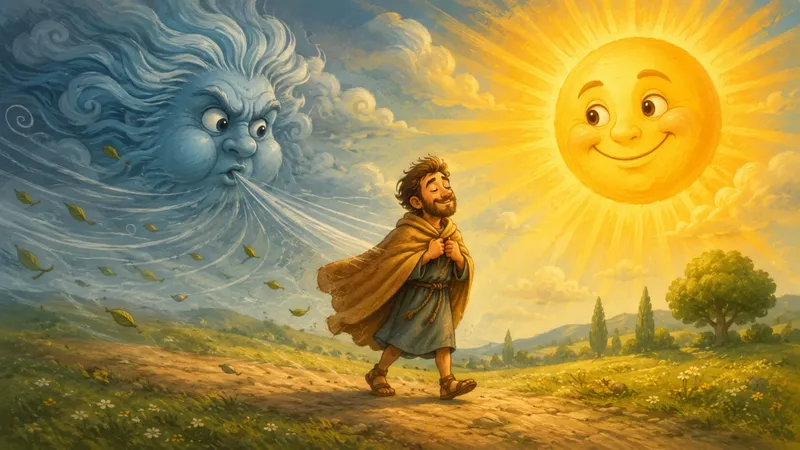
5 Best Fables About Kindness for Kids
Have you ever noticed how a tiny act of help can change someone's entire day? Finding the right fables about kindness for kids is a wonderful way to show little ones that being helpful is a true superpower.
Read More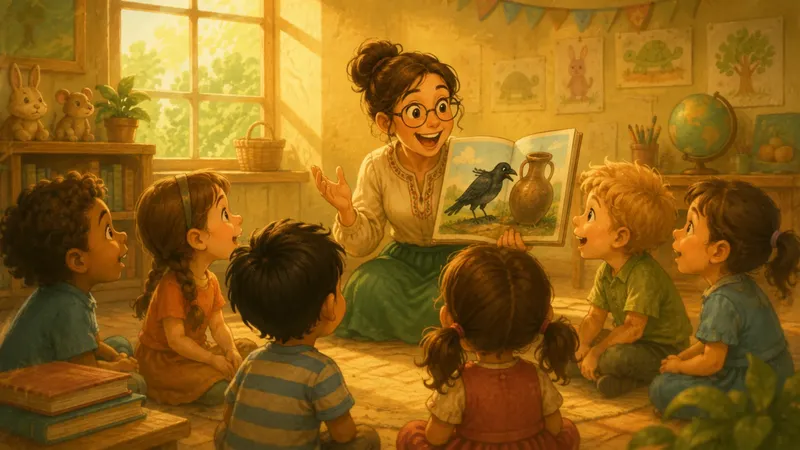
How to Teach Children Moral Values Using Classic Fables
Children learn best through stories. A single, well-told tale with a clear lesson can stay with a child for life, shaping how they treat others, handle challenges, and make decisions. That is why teaching moral values through classic fables still works just as powerfully today as it did thousands of years ago.
Read More