October 22, 2025
10 Fables That Teach Empathy to Young Readers

Explore timeless fables that teach empathy, compassion, and kindness to children. Nurture emotional growth with stories from Aesop and the Grimm Brothers.
Empathy and Fables
Empathy is a special ability that helps children truly connect with others by understanding and caring about their feelings. Through simple stories and meaningful lessons, fables can gently guide young readers to see the world from someone else’s point of view.
Reading classic fables together offers a natural way for children to learn and practice empathy. Each story shares a clear, relatable message about kindness, compassion, and understanding how others feel.
Here are ten fables that parents and educators can use to help nurture empathy in children:
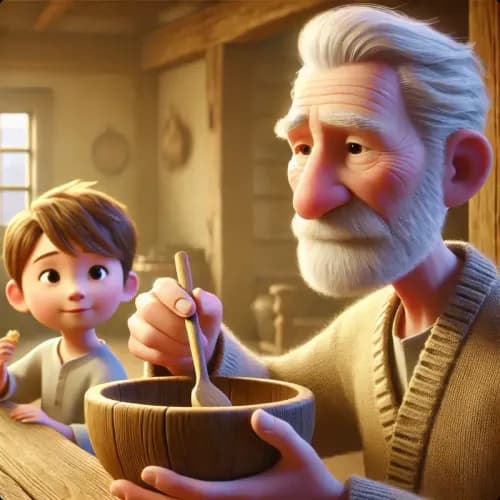
The Old Man and His Grandson by the Grimm Brothers
In this touching story, an elderly grandfather is poorly treated by his family until his young grandson's simple, heartfelt actions teach his parents an essential lesson in kindness and respect. This fable beautifully illustrates the importance of empathy toward elders.

The Ant and The Dove by Aesop
When a dove saves an ant from drowning, the ant later returns the favor by rescuing the dove from a hunter. The mutual kindness shared between these two very different creatures demonstrates that empathy can lead to mutual aid and friendship.
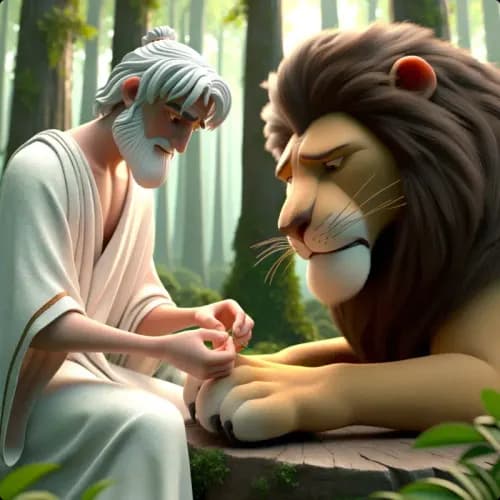
Androcles and the Lion by Aesop
Androcles, an enslaved man, helps an injured lion in the forest. Later, when Androcles faces danger in the arena, the grateful lion saves him. This powerful story teaches children that empathy can break down barriers and form extraordinary bonds.
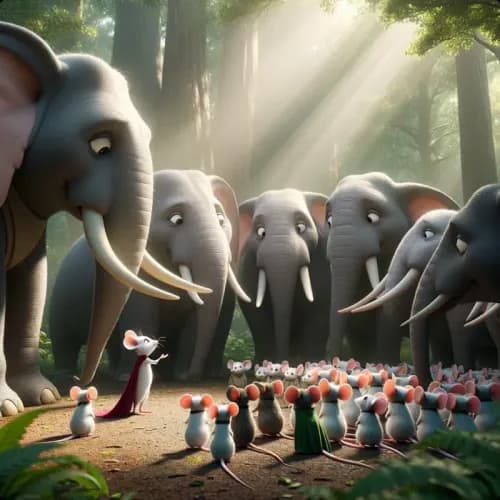
The Elephants and the Mice by Vishnu Sharma
When elephants unknowingly trample the homes of village mice, the mouse leader politely asks them to change their path. The elephants agree. Later, when the elephants are trapped by hunters, the mice show empathy by rescuing them. This fable highlights mutual respect and compassion across differences.

The Mouse and the Bull by Vishnu Sharma
A bull accidentally steps on a mouse's tail near the lake. Angry, the mouse tries to take revenge but fails to get the bull's attention. When the bull learns what happened, he sincerely apologizes. The mouse, feeling heard, realizes it was an accident and learns that empathy and forgiveness bring more peace than anger.

The King and The Parrots by Vishnu Sharma
Two parrots experience contrasting lives: one raised by a wise man learns politeness, while another in the king's palace learns rudeness. Through this fable, children grasp that empathy and kindness are often reflections of our environment and upbringing.

The Walnut Tree by Aesop
Despite its generosity in sharing fruits and shade, a walnut tree suffers from people throwing stones and sticks to gather walnuts. This poignant story helps children understand the impact of their actions and teaches empathy for those who give selflessly.

The Donkey and the Mule by Aesop
During a tiring journey, the mule refuses to help a weary donkey with his heavy load, only to regret it when the donkey collapses. This lesson emphasizes empathy and cooperation, encouraging children to support one another.

The Flea and The Ox by Aesop
A small flea challenges an ox's patient obedience to humans, while the ox appreciates human care. This fable encourages children to see situations from others' viewpoints, teaching empathy through understanding differing perspectives.

The Horse and The Groom by Aesop
A groom devotedly grooms his horse but neglects its basic nourishment. The horse gently reminds him of the importance of food over appearance. Children learn empathy through caring for others' fundamental needs rather than superficial concerns.
Encouraging Empathy Through Reading Fables
These wonderful fables from beloved authors like Aesop, the Grimm Brothers, and Vishnu Sharma provide timeless lessons that nurture empathy. By reading and reflecting on these stories together, you can support your child’s emotional growth, helping them become more compassionate, caring, and understanding.
Do you have a favorite fable you use to teach empathy? Which of these stories touched your heart the most or inspired meaningful discussions?
For more moral stories that teach empathy and kindness, visit us at FableReads.com, and let’s continue nurturing empathy through storytelling.