October 31, 2025
How Stories About the Natural World Can Help Children Explore Stoic Philosophy
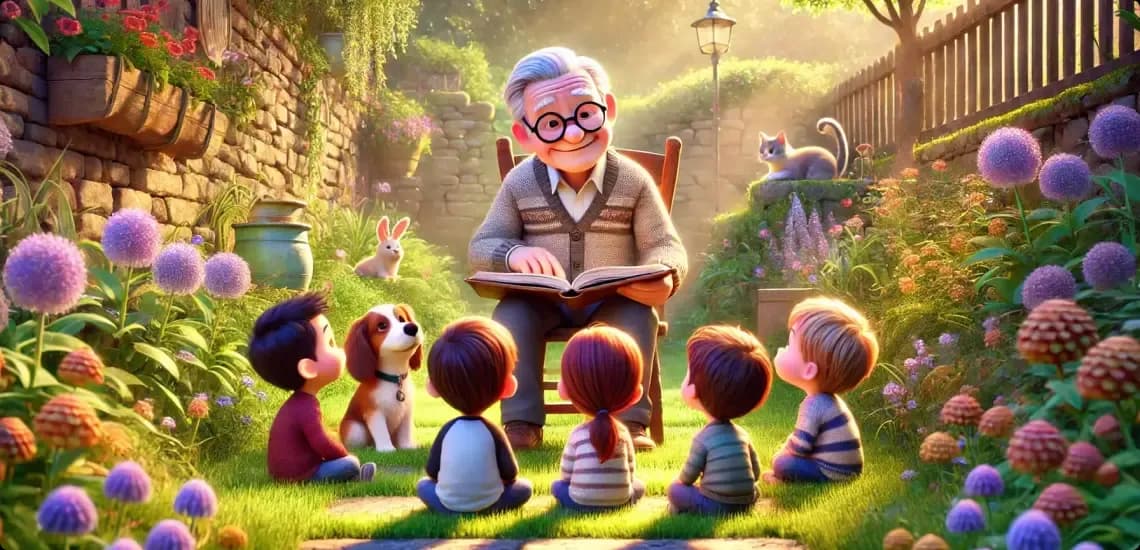
Examines how tales centered on nature can introduce children to Stoic principles, teaching resilience, mindfulness, and the acceptance of life's challenges.
The natural world is rich with lessons that can help children think about big ideas in simple ways. Fables, especially those featuring animals and nature, offer a fun and engaging way to introduce kids to ideas that align with Stoic philosophy. These stories use relatable examples from nature to explore timeless values like self-control, patience, resilience, and focusing on what we can control.
If you're interested in teaching children life lessons through stories, here are five fables that reflect Stoic principles and offer meaningful ways to navigate life's challenges.

Adapting to Life's Challenges: The Oak and the Reed
This classic fable tells the story of a sturdy oak that breaks in a storm, while a flexible reed bends and survives. It offers a valuable lesson in adaptability and focusing on what you can control. From a Stoic perspective, this story can help children understand that while they can't stop life's storms, they can adjust their mindset and actions. Like the reed, kids can learn the importance of going with the flow instead of resisting things they can't change.
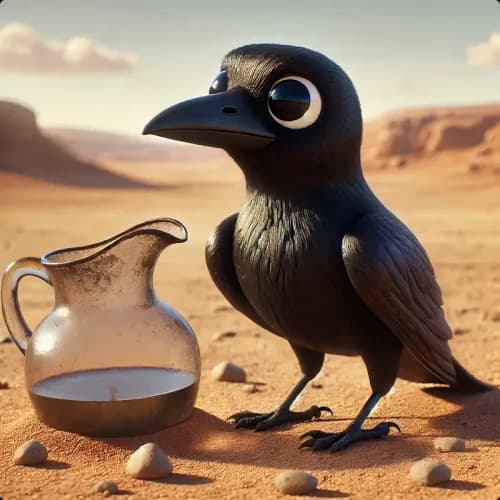
Solving Problems with Patience and Persistence: The Crow and the Pitcher
A thirsty crow finds a nearly empty pitcher and, with patience, drops pebbles inside until the water level rises. This fable highlights perseverance and creative problem-solving, encouraging children to focus on what they can do rather than what they can't.

Avoiding Greed and Appreciating What You Have: The Dog and Its Reflection
A dog loses its bone while chasing after its reflection in the water, mistaking it for a bigger bone. This story helps kids understand the value of contentment and the downsides of greed and unrealistic desires.
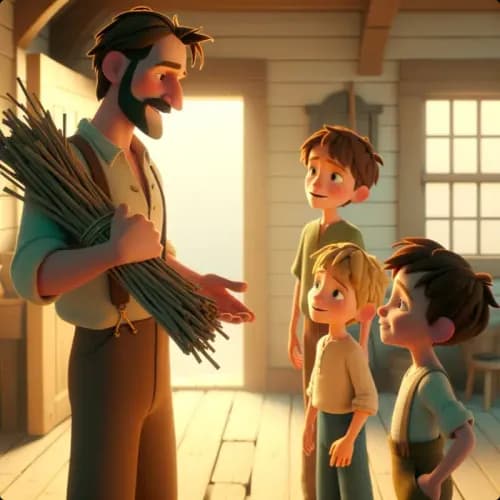
Building Strength in Unity: The Bundle of Sticks
A father shows his sons that a bundle of sticks is hard to break, but separately, each stick snaps easily. This reflects teamwork and the Stoic principle of interconnectedness, teaching children about the importance of collaboration.

Succeeding Through Gentleness: The North Wind and the Sun
In a contest to make a traveler remove his coat, the sun wins by gently shining while the wind fails with force. This fable teaches the value of gentleness, thoughtful actions, and adaptability over aggression.
Why Fables Work for Exploring Stoicism
Fables are ideal for introducing children to Stoic philosophy because of their relatable characters and simple yet meaningful lessons. Through animals and natural settings, these stories make big ideas like resilience and self-control easy to understand. Fables are also action-oriented, showing characters facing challenges and making decisions, which reflects Stoicism's emphasis on practical wisdom—what we do matters as much as what we think.
Connecting Fable Lessons to Everyday Life
Parents and educators can use these fables as conversation starters to explore ideas like patience, resilience, and teamwork. After reading a story, ask children reflective questions such as, “What did the character learn?” or “How could you use this lesson in your own life?” For example, relate The Crow and the Pitcher to solving a tough homework problem, or The North Wind and the Sun to resolving conflicts gently with friends.
By connecting these stories to real-life experiences, children can begin to apply these lessons in meaningful ways, building a foundation for navigating challenges with courage and calm.
If you'd like to explore more engaging stories and lessons inspired by Stoic philosophy, visit us at FableReads.com.