October 23, 2025
Animal Tricksters: Stories of Foxes, Spiders, and Rabbits
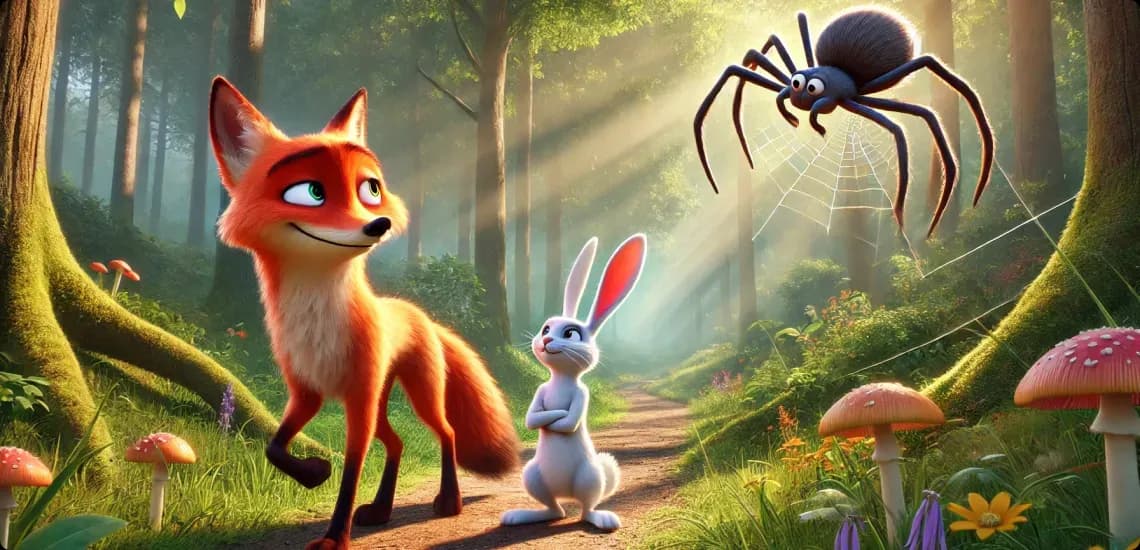
Explore animal tricksters like foxes, Anansi, and rabbits in fables! Discover stories that teach cleverness, problem-solving, and consequences.
Trickster animals like foxes, spiders, and rabbits are beloved figures in folklore around the world. These clever creatures often use wit, humor, and a touch of mischief to overcome challenges, outsmart others, and sometimes face the results of their own tricks. For children, trickster tales offer meaningful moral lessons about cleverness, consequences, and problem-solving.
Characteristics of Trickster Tales
Trickster tales often share these common characteristics:
- Clever protagonists who rely on intelligence and wit rather than strength.
- Humor and playful scenarios.
- Situations that show the consequences of trickery, helping children understand both wise choices and their mistakes.
- Moral or ethical lessons hidden within entertaining narratives.
Let's explore these traits through stories featuring foxes, spiders, and rabbits.
Foxes: Clever but Not Always Kind
Foxes are among the most famous trickster animals in world folklore. In European and Asian tales, foxes are smart and sneaky. They often play tricks on others, but sometimes those tricks backfire.
In Aesop’s fable, The Fox and the Stork, the fox serves soup in a flat dish that the stork cannot eat. Later, the stork returns the trick by serving soup in a tall jar. Children learn about fairness and how treating others poorly often comes back to us.
In another tale, The Fox and the Crow, the fox flatters a crow until she drops her cheese. This fable warns children not to fall for flattery or sweet words that hide selfish goals.
A third story, The Fox and the Goat in the Well, shows a fox trapped in a well who convinces a goat to jump in, then escapes by climbing on the goat’s back. It reminds us to think carefully before trusting someone’s words.
Fox tales help kids understand the value of thinking ahead, being kind, and not letting pride or trickery guide their actions.
Spiders: Wit and Tricks of Anansi
In West African and Caribbean folklore, the spider Anansi is a cherished trickster. Anansi’s stories, passed down orally, celebrate intelligence, creativity, and humor.
In Anansi and the Tug of War, Anansi tricks an elephant and a hippo into pulling on opposite ends of a vine, making each believe they are in a tug-of-war with him. Through clever planning and a well-set trap, Anansi shows that intelligence can outmatch size. Children learn that smart thinking can be just as powerful as physical strength.
In Anansi and the Turtle, Anansi tricks Turtle by sending him to wash his hands again and again so he won’t have to share his soup. Turtle stays calm and later invites Anansi to dinner underwater, where Anansi cannot reach the turtle’s home. In the end, Anansi is left wet and hungry. The story teaches that selfish tricks can backfire.
Anansi stories also offer a wonderful way to introduce children to diverse cultural heritage, emphasizing the richness of African and Caribbean storytelling traditions.
Rabbits: Quick Thinking and Cunning
Rabbits, another popular trickster animal, appear in various cultures worldwide. Known for their quick thinking, rabbits often outsmart larger and stronger adversaries.
In South American folklore, The Rabbit Throws Out His Sandal shows a rabbit cleverly evading danger. When animals plot to trap him, Rabbit throws his sandal to distract them and safely escapes. This story highlights quick thinking, bravery, and resourcefulness.
Similarly, North American tales of Brer Rabbit depict him consistently using wit to avoid trouble. These stories teach children the importance of staying calm and thinking smart when facing challenges.
Lessons from Trickster Stories
Animal tricksters like foxes, spiders, and rabbits entertain while teaching important life lessons. These stories encourage children to think critically, solve problems creatively, and understand the consequences of their actions. They also offer valuable insights into storytelling traditions from around the world.
Share these clever tales with your children or students, and let them enjoy the adventure while learning timeless lessons.
FableReads.com features many of these stories rewritten in child-friendly language, perfect for shared reading and classroom use.
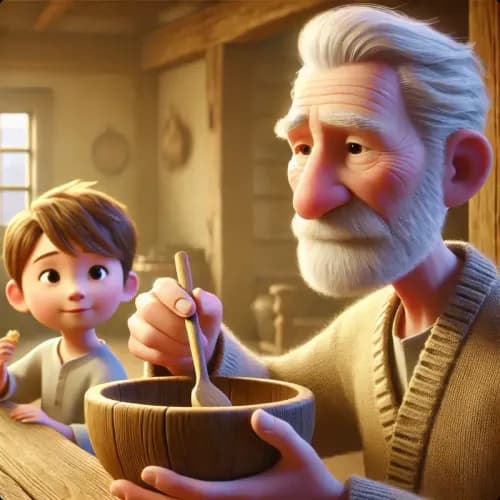
The Old Man and His Grandson by the Grimm Brothers
A touching story of empathy toward elders that teaches kindness and respect.
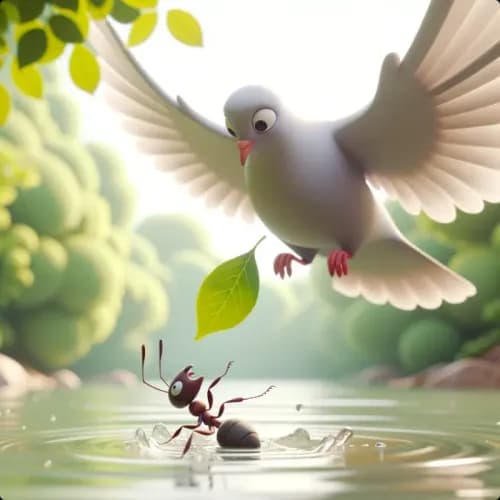
The Ant and The Dove by Aesop
When a dove saves an ant from drowning, the ant later returns the favor by rescuing the dove from a hunter. The mutual kindness shared between these two very different creatures demonstrates that empathy can lead to mutual aid and friendship.
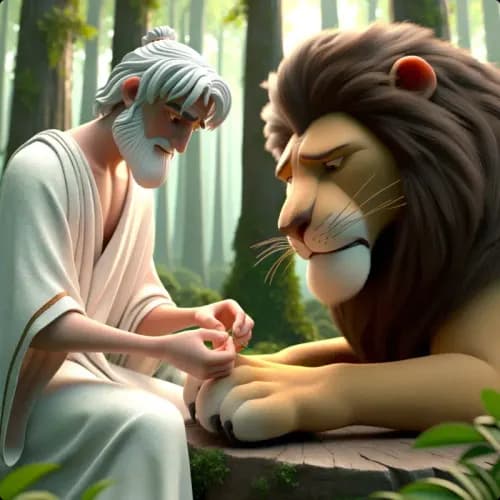
Androcles and the Lion by Aesop
Androcles, an enslaved man, helps an injured lion in the forest. Later, when Androcles faces danger in the arena, the grateful lion saves him. This teaches that empathy can break down barriers and form extraordinary bonds.
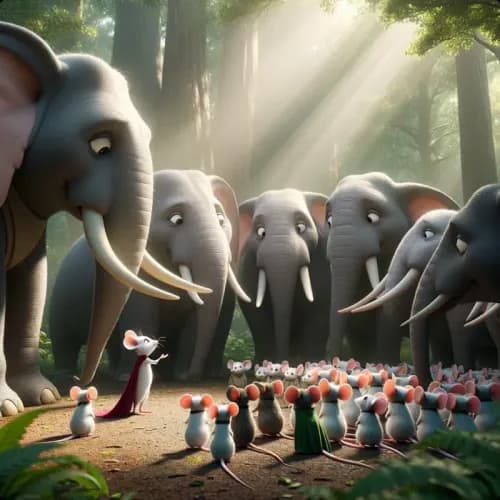
The Elephants and the Mice by Vishnu Sharma
Elephants unknowingly trample the homes of village mice. The mouse leader asks them to change their path, and they agree. Later, the mice rescue the elephants from hunters, highlighting mutual respect and compassion across differences.

The Mouse and the Bull by Vishnu Sharma
A bull accidentally steps on a mouse's tail. The bull apologizes, and the mouse realizes empathy and forgiveness bring more peace than anger.
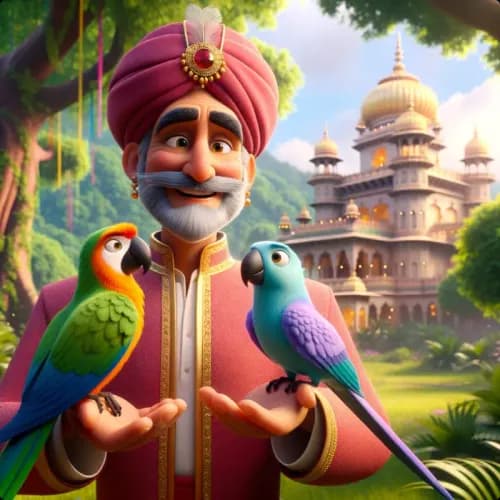
The King and The Parrots by Vishnu Sharma
Two parrots live contrasting lives; one learns politeness, the other rudeness. Children learn that empathy and kindness reflect environment and upbringing.

The Walnut Tree by Aesop
A walnut tree suffers as people throw stones to gather walnuts. This story helps children understand the impact of actions and teaches empathy for those who give selflessly.

The Donkey and the Mule by Aesop
The mule refuses to help the donkey but regrets it when the donkey collapses. The lesson emphasizes empathy and cooperation, encouraging children to support one another.

The Flea and The Ox by Aesop
A flea challenges an ox's patient obedience, while the ox appreciates human care. Children learn empathy through understanding different perspectives.

The Horse and The Groom by Aesop
A groom neglects the horse's nourishment but the horse reminds him of caring for fundamental needs. Children learn empathy through caring for others' needs.
Encouraging Empathy Through Reading Fables
These wonderful fables from beloved authors like Aesop, the Grimm Brothers, and Vishnu Sharma provide timeless lessons that nurture empathy. By reading and reflecting on these stories together, you can support your child’s emotional growth, helping them become more compassionate, caring, and understanding.
Do you have a favorite fable you use to teach empathy? Which of these stories touched your heart the most or inspired meaningful discussions?
For more moral stories that teach empathy and kindness, visit us at FableReads.com, and let’s continue nurturing empathy through storytelling.